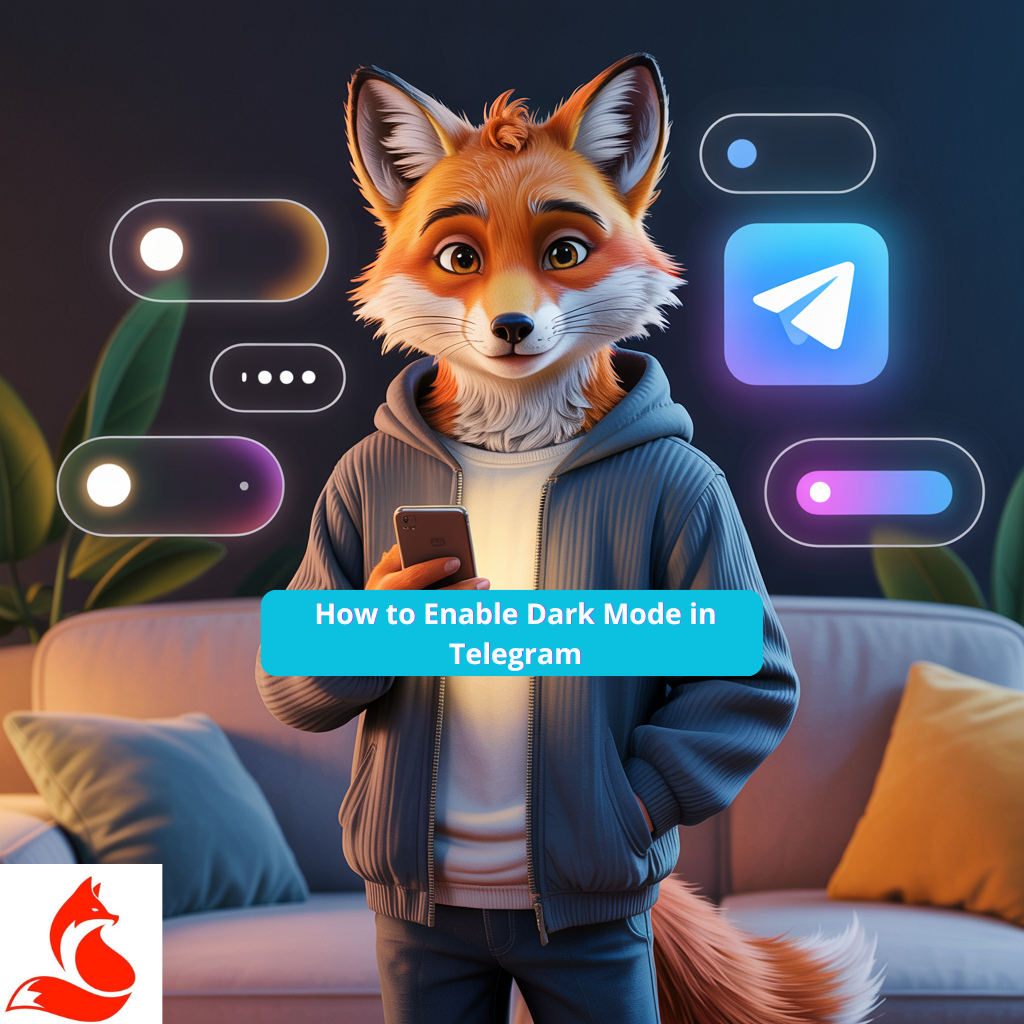
If you want to enable Telegram dark mode, it’s done in a couple of steps. On iPhone, open Settings – Appearance – Theme and select the dark scheme. On Android, the path is similar: Settings – Chats – Theme. In Desktop and Web, the needed option is in Settings – Appearance – Theme. This is the shortest path to comfortable eyes and a stylish interface.
If you run a channel and often work in dark mode, it’s convenient to combine visual comfort with light promotion. Careful Telegram boosting with small packages helps jump-start initial views and subscriptions without overload, and the night interface reduces eye strain during moderation. Launch gradually and track the effect in statistics.
How to Set Up Dark Theme in Telegram on All Platforms
iPhone: Path in Settings and Quick Toggles
Open Settings – Appearance – Theme. Select the dark variant and, if desired, enable automatic follow of the system theme. The “Scheduled” switch allows you to set activation time – for example, from sunset to sunrise. If needed, add a widget for quick access.
Also, take care of security: two-step verification doesn’t interfere with the theme and is enabled in a minute. The detailed guide “How to Enable Two-Step Verification in Telegram” will show you where to find the password, recovery email, and hint to protect your account from unauthorized access.
Android: Theme Toggle, Auto Schedule
Go to Settings – Chats – Theme and select the desired scheme. Here you can activate auto-switching by time of day. For advanced users – adjust contrast, saturation, and interface element colors. Ensure that access to the device theme is allowed in system parameters.
Desktop and Web: Themes, Color Schemes, Quick Access Shortcut
On a computer or in a browser, the path looks like this: Settings – Appearance – Theme. You can choose one of the ready-made styles or import your own via theme code. To save time, pin a theme-switching shortcut to the panel. This speeds up work and helps change the look in a second.
Automatic Mode: By Time and By System Theme
Auto Schedule: Sunset – Sunrise – Custom Time
If you enable Telegram auto dark theme, it will adapt to your biorhythms. The system automatically turns on dark background in the evening and returns light in the morning. This approach reduces eye strain and helps save battery. It is recommended to enable the “Follow system” parameter for smooth integration.
Follow System Theme on iOS and Android
When the general night mode is activated in iPhone or Android, Telegram synchronizes automatically. Make sure the “Use system theme” permission is enabled. If not, update the app to the latest version. After that, switching happens without delays.
Gradients, Colors, and Chat Background
Choosing Color Accents and Contrast
To make the Telegram dark theme look unique, open the Appearance section and choose a palette. Contrast affects text perception and readability. It’s better to choose medium or high levels – this is comfortable for the eyes. Don’t overdo saturation: bright tones are tiring with long use.
Setting Background Image and Noise Reduction
Choose a solid background or a soft gradient to avoid distraction from the chat. You can upload your own image and add a light noise filter for a texture effect. If the background starts to “noise” during scrolling, enable the stabilization option. This will improve interface smoothness and reading comfort.
Widgets and Quick Toggles
Gestures and Buttons in Quick Access Panel
To quickly enable Telegram dark mode, add a button to the control panel. On iPhone, it’s available via Control Center, on Android – in the notification panel. This saves time when you need to switch instantly. You can also use commands through voice assistants.
Widget on Android, Shortcut on iOS
On Android, a “Theme” widget is available for the home screen – turn on and off with one tap. On iOS, add a shortcut via Siri Shortcuts and use it in automation scenarios. On Desktop, you can set hotkeys for theme switching. This way you can control the appearance without extra clicks.
Tables for Mobile Screens
Table 1. Paths and Buttons by Platform
Platform
Path to Theme
Auto by System
Auto by Time
iPhone
Settings – Appearance – Theme
Yes
Yes
Android
Settings – Chats – Theme
Yes
Yes
Desktop
Settings – Appearance – Theme
Yes
Yes
Web
Menu – Settings – Appearance
Version dependent
No/Partially
Table 2. Readability Parameters
Parameter
Where to Change
Recommendation
Font size
Settings – Chats
Medium or larger
Contrast
Appearance – Colors
Medium/High
Chat background
Appearance – Chat Background
Solid or with light noise
Common Problems and Quick Solutions
Theme Doesn’t Switch or Resets
If Telegram dark theme doesn’t work – update the app and check system settings. Ensure that a fixed light scheme is not set. Sometimes logging out and back into the account helps. After that, the function stabilizes.
Auto by System Doesn’t Work
The reason is often restrictions on access to the system theme. Check the permission in the app settings. If necessary, remove manual theme locking. After updating the parameters, everything starts working correctly.
Performance and Battery
When Dark Theme Saves Battery
Dark interface indeed reduces power consumption on OLED displays. The screen uses less backlight for black pixels. On LCD screens, the effect is less noticeable, but eyes strain less. Enable the mode especially in the evening and in low light.
Optimal Settings for OLED and LCD
For OLED displays, fully black themes are suitable, and for LCD – dark gray. This improves contrast and makes text readable. Also, disable animations and autoplay for videos if battery saving is important. This combination extends device runtime.
Accessibility and Eye Comfort
Combining Dark Theme with “Night” Modes
To reduce strain, use dark theme together with night mode. It reduces brightness and adjusts color temperature. On iPhone, this is True Tone, on Android – Adaptive Brightness. This approach makes reading comfortable even at night.
When to Use Light Theme
Dark interface isn’t always suitable – during the day in bright light, it reduces contrast. Switch to the light variant if you feel eye strain. It’s important to monitor lighting levels to avoid eye overexertion. Adjust the balance to your environment.
FAQ – Ready Q&A Block
How to Set Up Dark Theme in Telegram on All Devices
Open the appearance settings on your platform, select the dark scheme, and enable automatic follow of the system theme or schedule. This works the same on iPhone, Android, and Desktop. See the table above to quickly find the path.
Why Dark Theme Doesn’t Enable Automatically
Check the permission for access to the system theme and whether you are using a fixed scheme. Switch to “Follow system” in the Appearance section. After that, Telegram will start adapting to system settings. If it didn’t help – update the client to the latest version.
How to Make Dark Theme More Contrasty
Increase contrast and font size in Appearance, choose a solid dark background without gradients. This will improve readability and relieve eye strain. If the text is still dull – increase interface saturation. This technique works on all devices.
Does Dark Theme Affect Battery Drain
Yes, on OLED screens it reduces energy consumption. On LCD screens, the effect is minimal, but visual comfort is higher. To extend autonomy, disable animations and media autoplay. This can save up to 10–15% of battery.
Experienced SMM, social media, and SEO specialist. 📈 Currently working at Foxy-IT. I help businesses and brands attract the right audience, build a strong image, and hit measurable goals online. I have 5+ years of experience in promotion, strategy development, and content optimization. Ongoing learning and trend analysis help me deliver effective, up-to-date solutions for clients. I manage projects end-to-end - from idea to results - making your business more visible and successful.
Twitter / X LinkedIn


 Twitter / X
  LinkedIn
 Social media boosting
 Promotion
 Blog
Blog